

Have you ever wondered how accurate the high-stakes poker games or flashy pokies machine scenes you see in movies really are? You’re not alone. It’s a question that piqued the curiosity of many moviegoers and gamblers alike.
This article will delve into gambling as portrayed in popular films. We will examine how accurately these movies depict the thrill, the risk, and the strategy involved in real-life gambling.


Online Gambling Websites vs. Brick and Mortar Casinos
Online betting platforms have revolutionized the gambling world. Unlike flashy movie casinos, where everything appears larger than life, online platforms are all about convenience and accessibility. You can access these websites anytime, anywhere. All you need is a device with an internet connection. That’s as real as it gets!
Brick-and-mortar or physical casinos are closer to what we see in films. The tables, the chips, the spin of the roulette wheel. All of these elements make up the traditional casino experience. While the ambiance may differ from the high-stakes, high-drama environment often found in movies, real casinos are exciting and vibrant.
hollywoodbets.net Login Password on
Indeed, Hollywood’s representations expand into online betting. Online platforms like Hollywoodbets.net prioritize user security. While the platform might lack the glitz and glamour that movies portray, the robust security measures do not compromise on protecting players from unwarranted cyberattacks.

With these in place, your betting journey should be smooth and secure. And hey, you’re not just betting but also participating in an extensive online security routine. So keep your password close and your bets closer. Hollywoodbets.net is more than what the scenes depict. It’s about real stakes, real security, and genuine entertainment.
wwwhollywoodbets.mobi Login
The reality is simpler than what’s shown on the silver screen. To log into wwwhollywoodbets.mobi, start by opening a web browser on your device. Navigate to the site and look for the ‘Login’ button at the homepage’s top-right corner. Clicking on the ‘Login’ button brings up a simple dialogue box where you’ll key in your username and password before hitting “Login.”

Understanding the ins and outs of a genuine betting platform like wwwhollywoodbets.mobi brings you a notch closer to discerning the line between movie fiction and gambling reality. Remember, not everything shown on the big screen applies to the real world of betting. And it’s always vital to tread carefully when participating in any form of gambling, whether online or offline.
Misconceptions about Gambling in Movies
Movies enormously influence society’s perceptions and understanding of different aspects of life, including gambling. Hollywood’s portrayal of gambling is both a reflection and distortion of the realities, creating a spectacle that often exaggerates the thrill of winning and undermines the inherent risks.
Exaggerated Winning Streaks
In numerous cinema classics, the protagonist enjoys an unrealistically long winning streak in a casino. This depiction ingrains a misleading belief that walking into a casino guarantees an almost sure shot at winning. However, as seasoned gamblers and statisticians know, winning primarily depends on chance and probability.
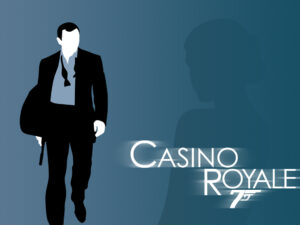
One famous example is James Bond in “Casino Royale,” where he repeatedly emerges victorious in high-pressure gambling scenarios. While these scenes make for an exciting cinematic narrative, they’re a far cry from the volatile reality of gambling.
Unrealistic Odds
Conventional movie themes often portray a gambler who beats the house against staggeringly high odds. Although it’s not impossible to hit a big win, it’s statistically improbable for it to occur as regularly as it does on the silver screen. This unrealistic portrayal fosters a distorted perception, persuading viewers to believe in the possibility of constantly overcoming unfavorable odds.
Portrayal of Skill-Based Gambling
Another Hollywood gimmick is to showcase gambling as a game of skill rather than chance. Characters are often depicted using complex algorithms, card counting techniques, or even mystical powers to sway the odds in their favor, as seen in films like “Rain Man”.
Accurate Depictions of Gambling in Movies
While Hollywood often embellishes for dramatic effect, there are instances of authentic portrayals that capture the genuine essence of gambling. This authenticity comes not just from the on-screen selection of games or flashy casino atmospheres but also in demonstrating the darker sides of gambling, such as the risk and potential for addiction, as well as the consequences of overindulgence.

Realistic Casino Atmosphere
Movies like “Casino Royale” and “Ocean’s Eleven” masterfully encapsulate a casino’s glamorous, high-energy atmosphere. The camera sweeps across luxurious interiors, gliding over tables dotted with piles of colorful chips and the rhythmic flitting of cards. Every detail, down to the correct use of casino parlance, contributes to crafting an immersive and realistic experience.
- Accurate portrayal of casino games: The specifics of games like poker, blackjack, or roulette are often accurately depicted. Professionals are sometimes hired to ensure game rules and strategies are adhered to.
- Visual glamour: High-end movies invest heavily in replicating the opulent interiors of upscale casinos.
Depicting the Consequences of Gambling
Movies that showcase the outcomes of dangerous betting habits provide audiences with an unfiltered glimpse of reality. Films like “Hard Eight” and “The Cooler” encapsulate that not all endeavors end in a glittering jackpot.
 Bankruptcy, damaged relationships, and criminal activities are some consequences portrayed on the silver screen.
Authentic gambling movies aren’t there just to entertain you but also to highlight the potential pitfalls that can come from habitual gambling.
Despite its tendency towards dramaturgy, Hollywood occasionally looks deeper and helps viewers understand the numerous facets of the gambling world.
Stay Cautious and Informed
So, you’ve seen how Hollywood’s take on gambling can skew your perception. Remember, the glitz and glamour often shown in films aren’t always the reality. However, it’s essential to stay cautious and informed. Hollywood’s depiction of gambling serves as a guide, shedding light on the do’s and don’ts. But it’s your responsibility to distinguish fact from fiction.
Don’t just rely on what you see on the big screen. As the exploration of gambling in movies continues, remember to take these portrayals with a grain of salt. After all, it’s your money on the line.