



How Can You Find Your Estimated Maximum Heart Rate Apex
One commonly used formula to estimate maximum heart rate is subtracting your age from 220. For example, if you’re 30 years old, you would subtract 30 from 220 to get an estimated maximum heart rate of 190 beats per minute (bpm). However, it’s important to note that this formula provides a general estimate and may not be accurate for everyone.
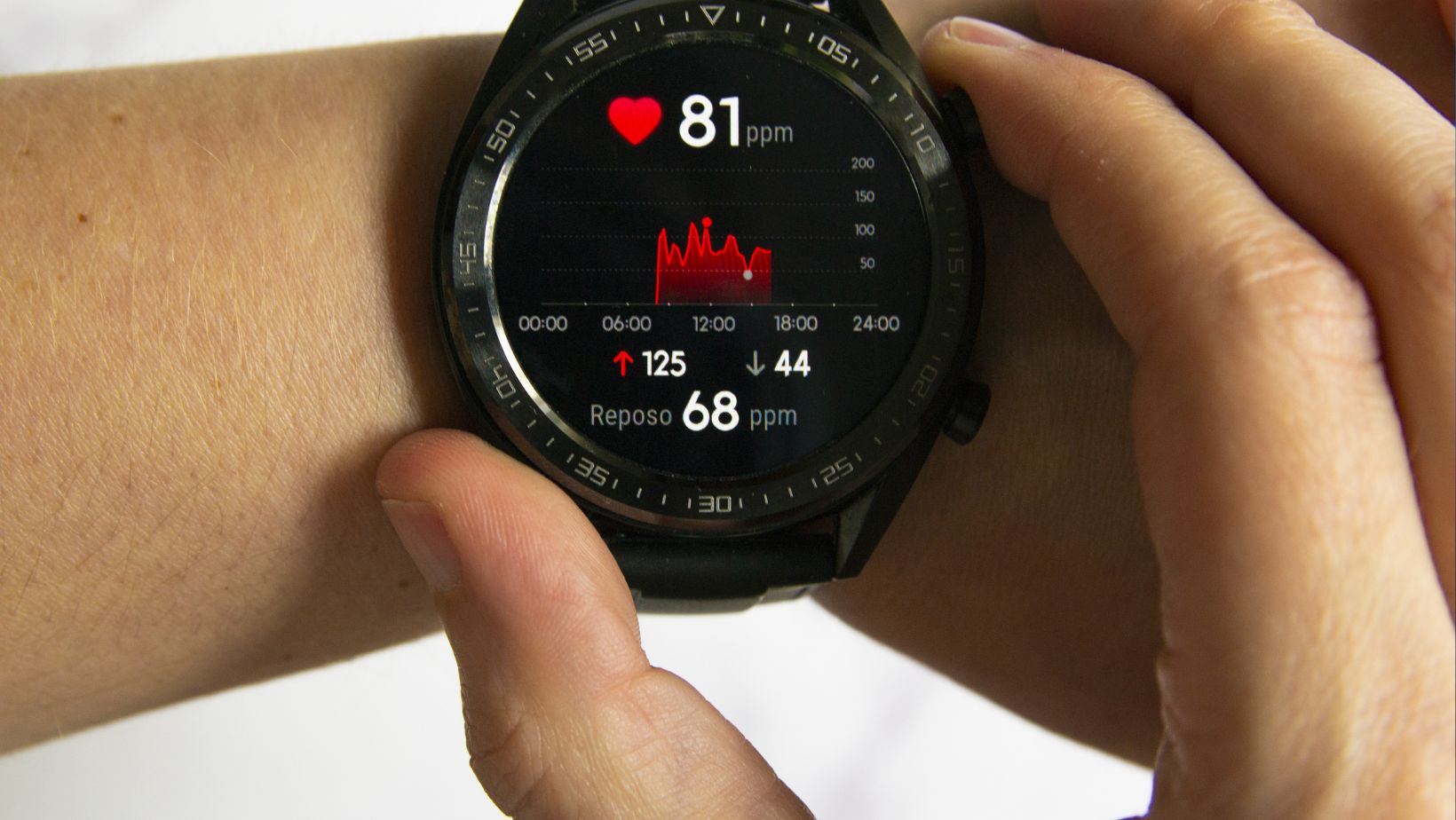
Another approach is using a heart rate monitor during intense exercise or physical activity. By pushing yourself to the limit and monitoring your heart rate throughout the workout, you can identify the highest reading on the monitor as an approximation of your maximum heart rate apex.


Understanding The Importance of Maximum Heart Rate
When it comes to optimizing your workouts and achieving your fitness goals, understanding your maximum heart rate is essential. Your maximum heart rate refers to the highest number of beats per minute your heart can reach during intense physical activity. It serves as a valuable indicator of your cardiovascular capacity and can help you gauge the intensity at which you should be exercising. So, let’s dive deeper into why knowing your maximum heart rate is so important.
- Effective Training Zones: Knowing your maximum heart rate allows you to determine different training zones that correspond to specific exercise intensities. These zones include aerobic, anaerobic, and fat-burning zones. By staying within these designated ranges, you can tailor your workouts to achieve specific objectives such as improving endurance or burning fat efficiently.
- Personalized Workouts: Understanding your maximum heart rate enables you to personalize your workouts according to your individual fitness level and goals. It prevents overexertion by ensuring that you exercise at an intensity appropriate for you, reducing the risk of injury or burnout.
- Monitoring Progress: Tracking changes in your maximum heart rate over time provides insights into improvements in cardiovascular health and overall fitness levels. As you become fitter, you may notice that it takes more effort to reach higher heart rates during exercise sessions.
- Safety First: Being aware of your maximum heart rate helps ensure safe exercise practices by preventing excessive strain on the cardiovascular system. Exceeding one’s limits can lead to discomfort, dizziness, or even cardiac complications in extreme cases.
- Goal Setting: Your estimated maximum heart rate serves as a reference point when setting realistic fitness goals based on intensity levels suitable for you personally. Whether aiming for weight loss or enhancing athletic performance, having this knowledge empowers you with accurate targets and benchmarks along the way.
Factors Affecting Maximum Heart Rate
When it comes to finding your estimated maximum heart rate apex, there are several factors that can influence this crucial metric. Understanding these factors will not only help you determine your target heart rate zone for optimal cardiovascular fitness but will also enable you to make informed decisions about your exercise intensity and overall health.
- Age: As we grow older, our heart’s ability to pump blood decreases slightly, resulting in a lower maximum heart rate. While it’s true that “220 minus age” is a commonly used formula to estimate maximum heart rate, research suggests that this equation may not be entirely accurate for everyone. It’s essential to remember that individual variations exist within each age group.
- Fitness Level: Regular exercise and physical activity can lead to improvements in cardiovascular fitness, allowing your heart to pump more efficiently and potentially increasing your maximum heart rate. On the other hand, if you’re just starting an exercise program or have been inactive for a while, your maximum heart rate might be lower until you improve your fitness level.
- Genetics: Some individuals naturally have higher or lower max heart rates due to genetic factors beyond their control. While genetics alone won’t tell you what your specific max heart rate is, understanding that there may be some inherent variation can help explain differences among individuals.
- Medications and Health Conditions: For example, beta-blockers are commonly prescribed medications that slow down the heartbeat and can result in a lower max HR reading during exercise or physical exertion. If you have any medical conditions or take medication regularly, it’s always wise to consult with a healthcare professional who can provide personalized guidance on determining your max heart rate.
- Environmental Factors: Higher altitudes can reduce the amount of oxygen available to your body, making it more challenging for your heart to work efficiently. Similarly, extreme temperatures, especially heat and humidity, can place additional stress on your cardiovascular system during exercise and affect your maximum heart rate.
In conclusion, there are multiple methods available to estimate your maximum heart rate apex. Whether you choose to calculate it based on a simple formula, utilize the Karvonen Formula considering resting heart rate or measure it directly during exercise using wearable devices – each approach provides valuable insights into understanding and monitoring your cardiovascular health and optimizing workout intensity accordingly. Finding your estimated maximum heart rate (MHR) can be a valuable tool in optimizing your exercise routine and monitoring your cardiovascular health. By understanding how to calculate your MHR and using it as a guide during workouts, you can tailor your training intensity to achieve optimal results.