
Manga is more than just comic books—it’s a cultural phenomenon that’s taken the world by storm.
In this article, you’ll learn the basics of manga art and style. We’ll explore the key elements that make manga distinct, from its characteristic black-and-white illustrations to its dynamic panel layouts. Whether you’re an aspiring artist or a manga enthusiast, this guide is your first step toward understanding and appreciating manga on a deeper level.


How To Elevate Your Manga Art To The Next Level
Harnessing and honing your skills in manga art isn’t just about creation. It would be best if you also immerse yourself in a wide variety of works. Reaper Scans offers an ideal opportunity to do just that.
Reaper Scans
 Reaper Scans is a scanlation group dedicated to releasing translated manga and webtoon chapters for the community.
If you’re looking to expand your familiarity with different manga styles and techniques, it’s the perfect resource.
With high-quality releases spanning numerous genres, you’ll gain exposure to diverse approaches and artistic choices.
Reaperscans
Reaperscans is the go-to platform for all Manga enthusiasts, beginners, and experts. What sets it apart? It provides a broad spectrum of Manga styles and genres, from Shounen Manga to Shojo Manga to Seinen. Now, you might be wondering how it is beneficial to you. By examining the different character illustrations, use of perspective, and panel layouts here, you better grasp varied Manga styles and techniques—helping you develop a genre-specific skill set and, in time, your unique Manga style.
Reaperscand
 Think of Reaperscand as a one-stop hub for honing your manga skills and finding inspiration from a library of styles and creations. Reaperscand is also a networking medium.
Interaction within communities is vital in honing your skills, and Reaperscand facilitates such engagement.
You can connect with creators and artists, have interesting anime or manga-related conversations, and get your manga reviewed by peers.
Reaper Scand
Studying how characters are drawn in various styles on Reaper Scand” provides a chance to understand the depth and breadth of character portrayal in the manga. You gain insights into designing characters that can convey different emotions effectively.
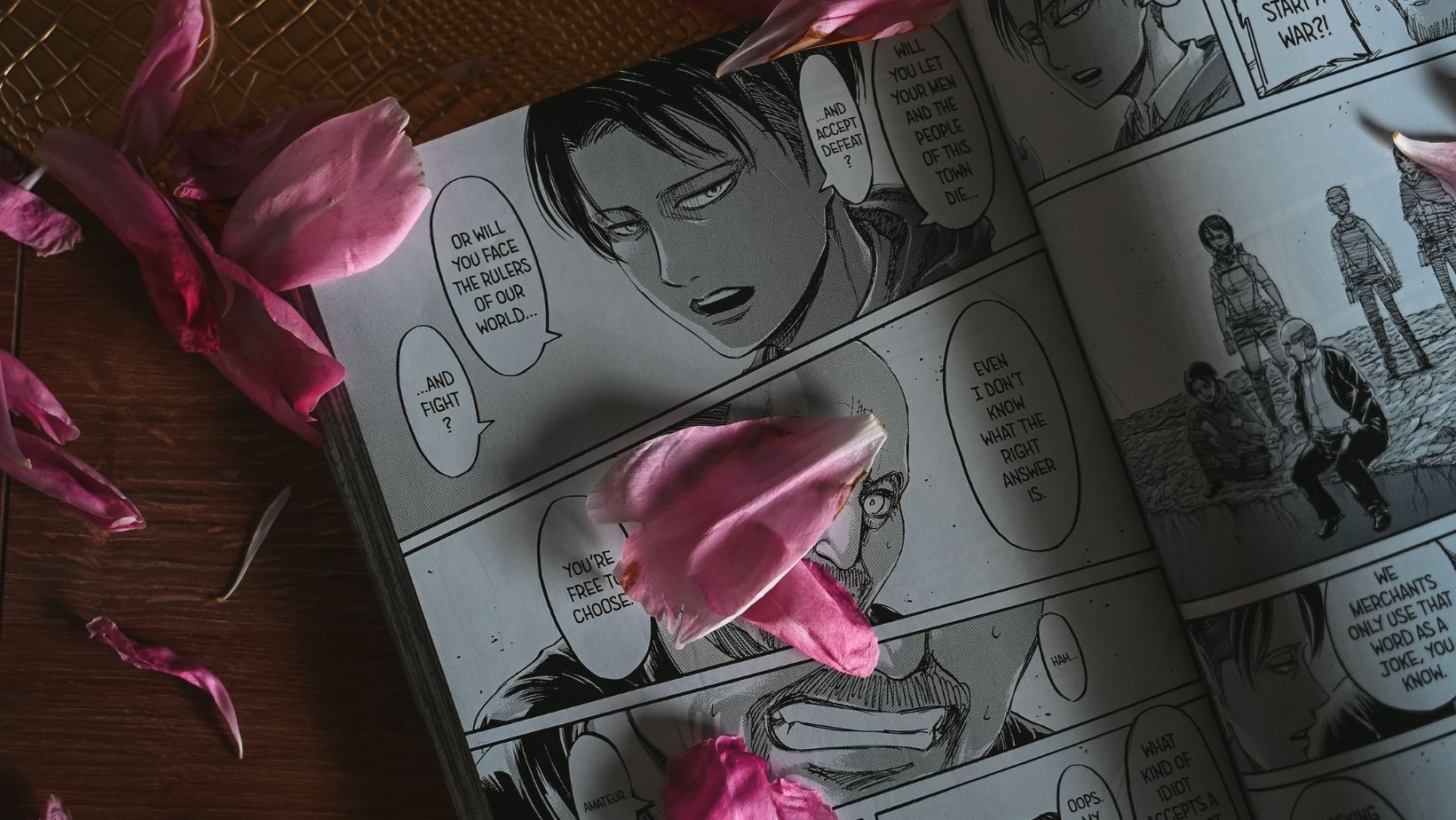
It’s not merely about appearances but also about evoking the right emotions through your character design.
The use of perspective is another instrumental manga element you can learn from Reaper Scand”. Differentiating a bird’s eye from a worm’s-eye view or understanding one-point from two-point perspectives immerses you deeply into the spatial aspects of manga art. You get to understand and appreciate the visual storytelling power of different perspectives.
The Origin of Manga?
Manga, originating in Japan, is much more than just ‘comic books.’ It’s a unique art form, a cultural phenomenon taking the world by storm.
As we delve back in time, the history of manga is as fascinating as the art form itself. Historians trace the roots of manga to the 12th century, during the era of the Choju Giga scrolls. These scrolls, filled with amusing animal caricatures, are considered the first instance of sequential art seen in Japan.
From there, the art form evolved significantly, influenced by various cultural shifts and historical transformations in Japan.
Characteristics of Manga Art Style
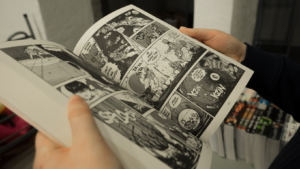
When you flip open a manga book, what strikes you instantly is its distinctive art style. Manga art is known for its black-and-white illustrations, which, despite their monochromatic nature, are rich in depth, detail, and dynamism.
- Dynamic panel layouts: One of the most defining features of manga is its panel layouts. The panels aren’t just square boxes arranged neatly. Rather, they carry dynamic shapes often flowing with the action inside them.
- Detailed backgrounds: In the manga, backgrounds aren’t just simple sketches or colors. Complex landscapes and sceneries give the reader a sense of place and atmosphere.
- Elongated and exaggerated features: Another striking feature is the highly stylized way of drawing characters. Manga characters often have big, sparkling eyes, small, pointed noses, and wispy hair, among other elongated and exaggerated features.
Tools and Techniques for Creating Manga Art
Many tools and techniques await exploration in the stellar universe of manga creation.
Pens and Inking
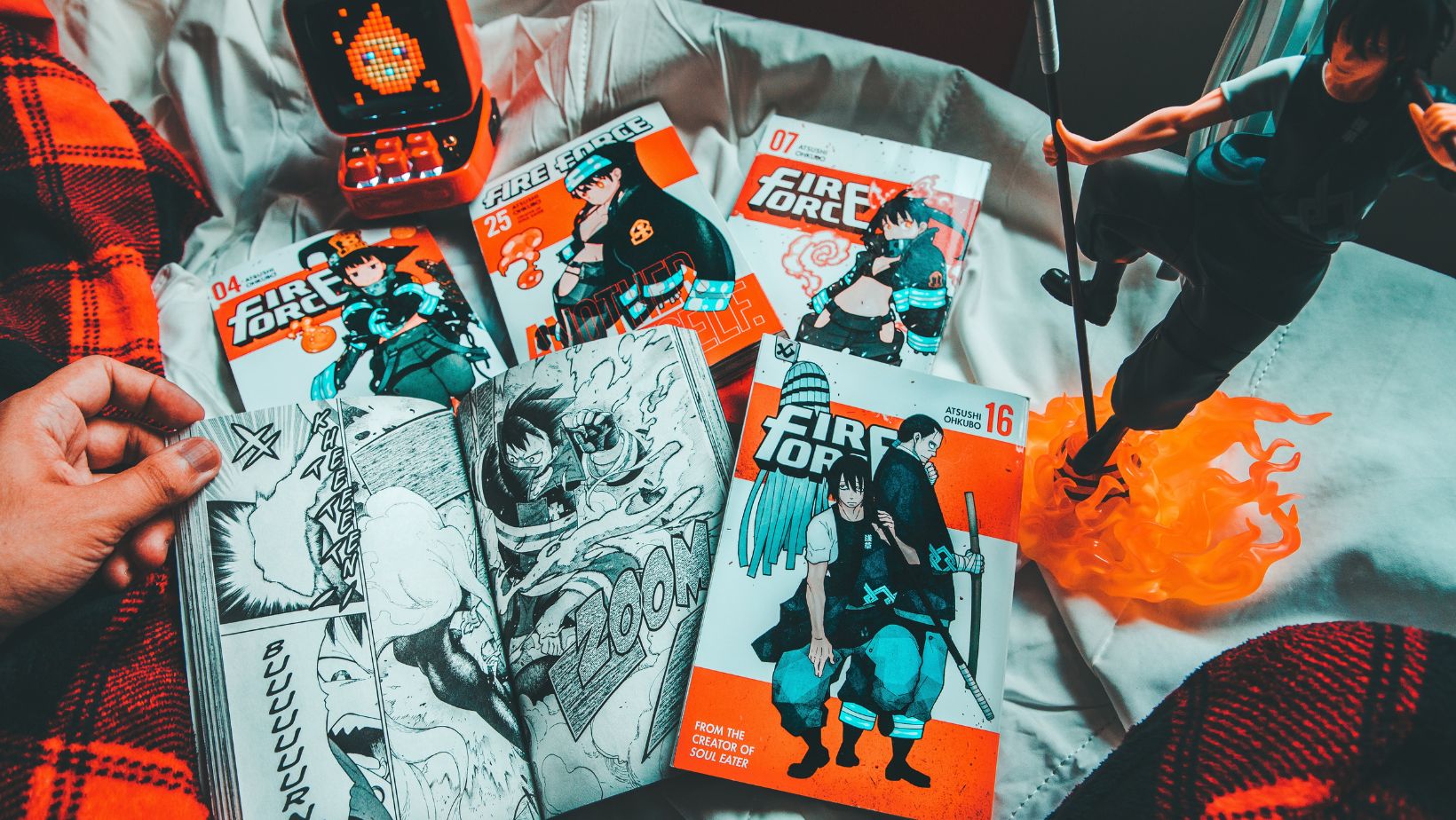
In every manga artist’s tool kit, you’ll find a variety of pens. G nibs and Maru nibs often take the spotlight for inking. G nibs help you create thick, dynamic lines, while Maru nibs, known for their finesse, allow delicate and minute detailing. The real champion could be the brush pen that provides flexible line widths, perfect for capturing vibrant nuances.
Screen Tones and Shading
Screen tones and patterns printed on transparent adhesive sheets are iconic in manga art for bringing your scenes to life. They provide texture and shading without adding any color, keeping the traditional black-and-white manga style intact.
Digital Tools for Manga Art
It’s undeniable that digital tools have revolutionized the way manga is created and shared. Software like Clip Studio Paint, Adobe Photoshop, and Procreate offer a dizzying array of features that can streamline your drawing process.
The best part? You don’t have to lug around a bulky artist’s kit.
Manga Journey
So, you’ve embarked on your manga art journey. Remember, platforms like Reaper Scans are invaluable resources for honing your skills and gaining exposure to diverse manga styles. Storytelling is key in manga; understanding how it’s visually conveyed will help you create compelling content.
Stay dedicated, immerse yourself in the manga universe, and watch your skills flourish.