

Have you ever wondered how your favorite comic book heroes leap off the page and into your imagination? It’s all thanks to the magic of character design. This article will explore the art and science of bringing comic book characters to life.
We’ll explore how artists create visually compelling characters that resonate with readers. From the initial sketches to the final colors, every detail makes these heroes memorable.


KingComix
Have you ever wondered why KingComix comics have such a dedicated fan base? Although it’s adult content, It’s a universe of art, stories, and characters that have become an integral part of pop culture. Its unique style, innovative storytelling, and iconic characters have drawn in both old and new fans.
In today’s fascinating world of comic books, KingComix is taking the lead in translating characters from pages to screens.
Let’s Get to What is Character Design?
Character design is a facet of comic book creation that’s both science and art. It’s the process of conceptualizing, sketching, and finalizing the appearance of a character. But it’s not just about aesthetics. Every line, color, and detail can convey personality traits and life experiences.
A well-designed character isn’t static; they evolve and grow like their readers. The characters reflect changes in society, attitudes, and beliefs. They’re dynamic representations of humanity, imagined through the mind of an artist. Design plays a pivotal role, from the iconic capes and masks of superheroes to the facial expressions of comic strip characters.
These elements are integral to the narrative, driving the story forward and engaging the reader.
Key Elements of Character Design
One of the pivotal factors of a great comic book character is its design. Let’s delve into the crucial elements that breathe life into these paper-bound heroes.
Physical Appearance
The physical attributes of a comic book character tell a story in themselves. A brawny superhero like Superman stands out as the embodiment of strength, making him an instantly recognizable figure in the world of comics. Yet, power isn’t just about muscles; it’s about the total package. Small details, such as the color of a character’s hair or the shape of their eyes, can influence readers’ perception and connection to the surface.
Costume Design
A character’s attire is a key component of their overall design. Think of the caped crusader Batman himself; his dark, menacing costumes echo the night, justice, and secrecy. When you are designing your character’s costume, remember to reflect their personality and background in it. Integrate it into the storyline, making it a living part of the character instead of a simple accessory.
 Symbolism and Iconography
 Symbolism and Iconography
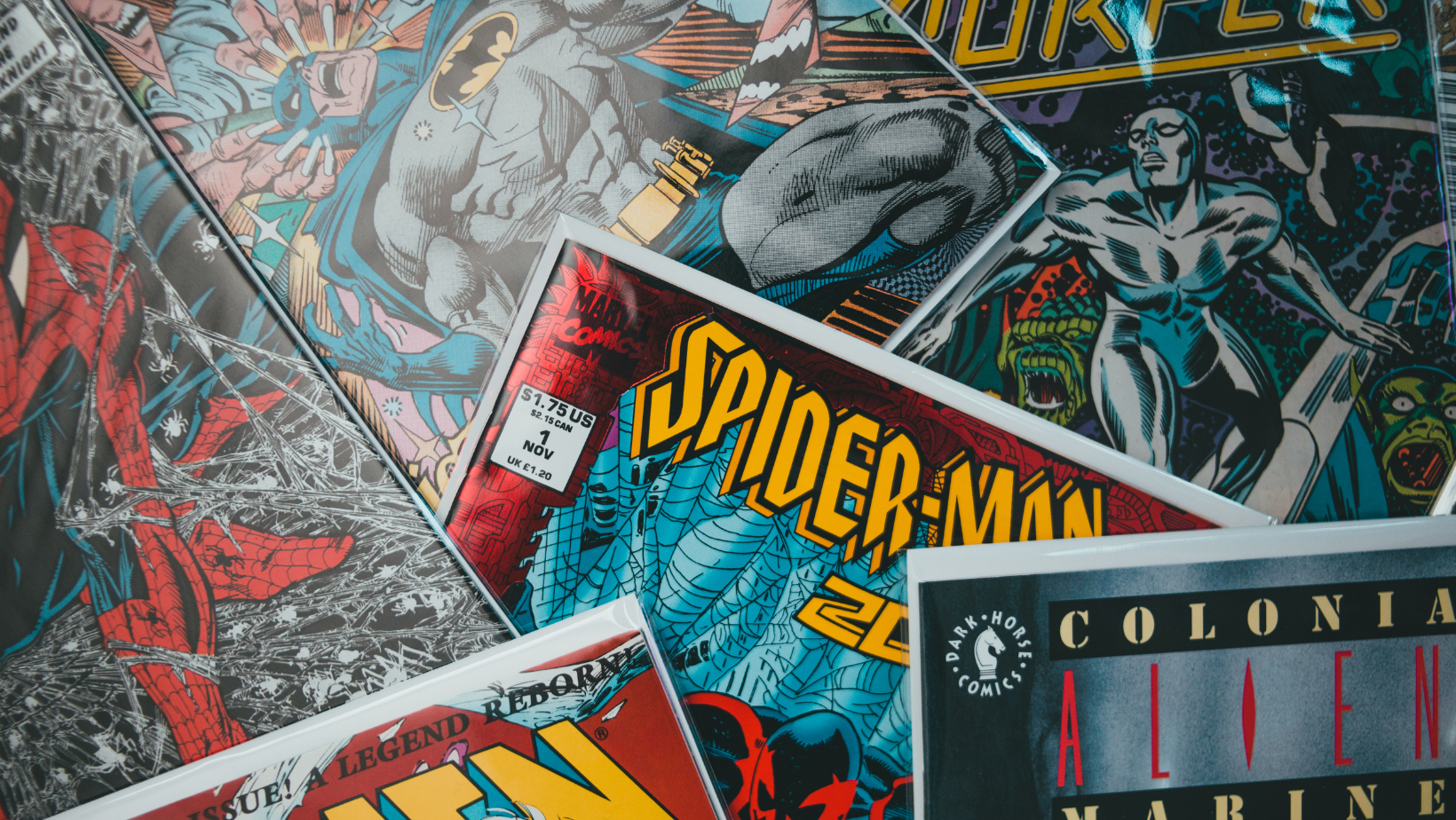
Symbols are a powerful tool for instigating connections and conveying implicit messages. The “S” on Superman’s chest is not just a letter but a symbol of hope, and the rebellious black and yellow bat symbol represents vigilance and justice. These icons have become part of our collective consciousness, synonymous with the characters they portray. Covertly incorporate symbolism into your character design to establish a deeper connection with the readers.
Personality Traits
Design isn’t just about the physical; it’s about encapsulating a character’s personality. The crazed grin of the Joker not only designates his physical abnormality but underlines his unhinged, chaotic nature. Understand that physical traits should mirror personality traits, helping create a holistic image of who the character is.
Techniques for Creating Memorable Comic Book Heroes

Transforming a simple character into a memorable comic book hero is an intricate task that demands attention to detail, creativity, and a deep understanding of human psychology. Here’s a detailed breakdown of several techniques you can use in this process.
Research and Inspiration
Before you draw the first line, extensive research and gathering inspiration is crucial. It would be best to delve into books, online resources, and comic history to hone your character design skills. Remember, it’s not just about copying what’s already out there but soaking in varied styles and techniques and creating your unique signature style. It’s a different kind of treasure hunting: the lore of old legends, the charm of modern dialogue, and the appeal of futuristic ideations combine to spin your character’s narrative.
Sketching and Concept Development
Next, put pencil to paper and let your ideas take the physical shape. Start with loose sketches, carefully crafting your character’s physical attributes and attributes, but be ready to make changes along the way. In this stage, you’re laying down the fundamental groundwork, the bones of your character. It’s an iterative process. Sketch, modify, and then sketch again.
Color Theory and Styling
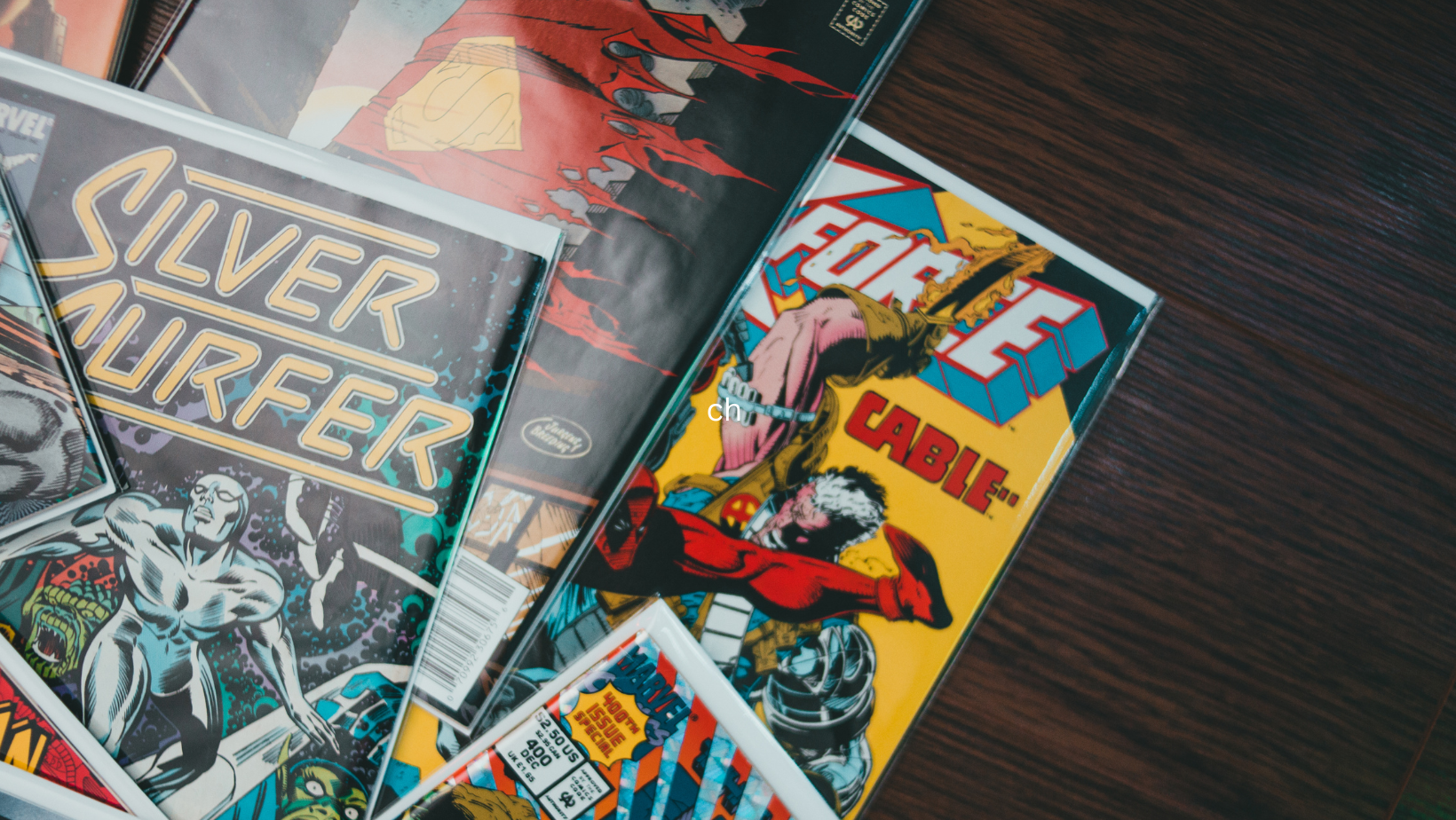 Color Theory and Styling
Meanwhile, remember the significance of color theory and styling. The colors you choose for your character reveal so much about their personality and generally contribute to the story’s mood. Are they bold, vivid reds and yellows or moody, mysterious blues and purples? Every color tells a story of its own.
Iteration and Refinement
Finally, iterate and perfect. As you develop and experiment with your designs, you’ll often find areas that could use a little work. It could be a costume that doesn’t resonate with the character’s background, or it could be a facial expression that needs tweaking for emotional impact. Whatever it is, take your time refining these elements. After all, the perfection of small details truly brings a comic book character to life.
Character Design is More Than an Art Form
Character design is an art form that’s crucial in bringing comic book heroes to life. Remember, it’s not just about creating a character but also about infusing motion, showcasing unique abilities, and, most importantly, having fun.
As you continue your journey in character design, remember to explore each key component and leverage all the Internet offers. It’s time to let your creativity shine and create comic book heroes that will captivate and inspire.